
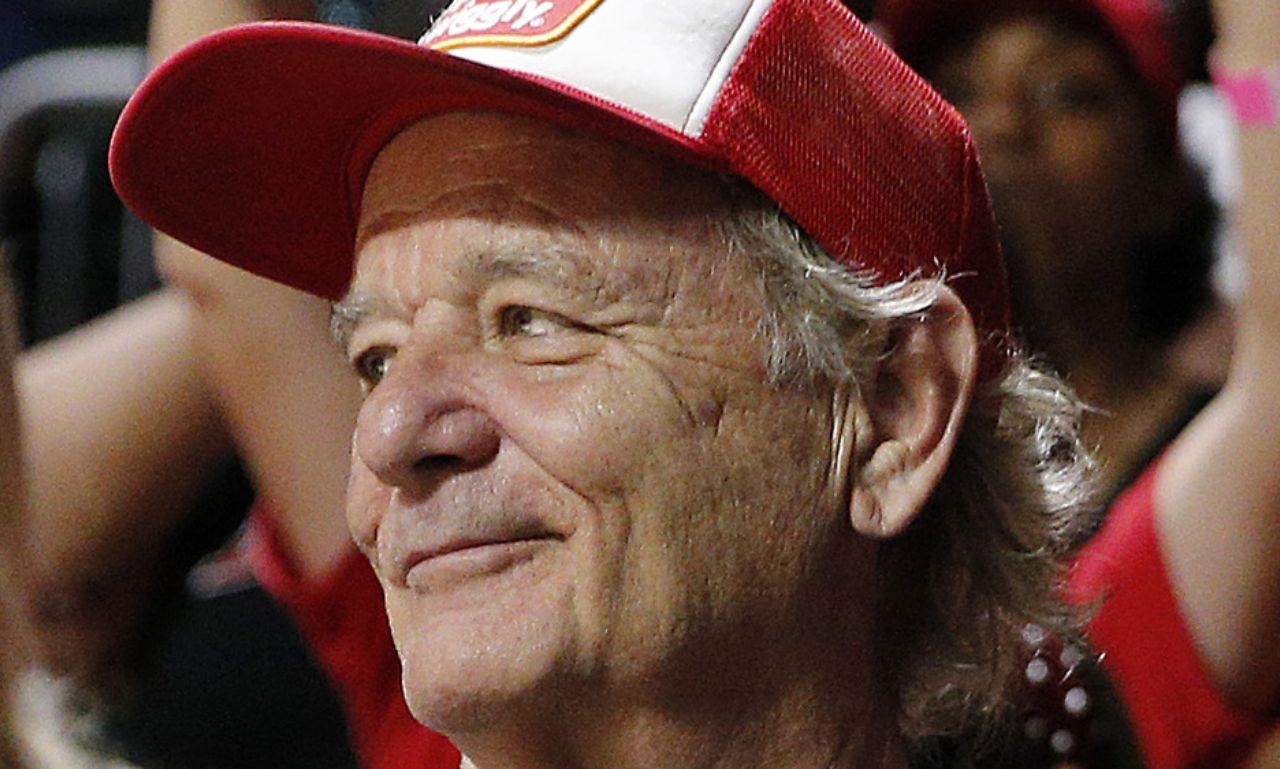

Bill Murray is a beloved Hollywood icon who has kept us laughing for decades. From his early days on Saturday Night Live to starring in timeless smash hits, he has built an incredible career. Beyond his legendary comedic timing, his smart financial choices and backend movie deals have truly paid off. Today, the estimated bill murray net worth sits at an impressive $180 million, proving his lasting star power.
Have you ever wondered how Hollywood’s favorite eccentric built such a massive fortune? It is not just about his classic films; it is about brilliant box office contract negotiations and a diverse asset portfolio. He famously skipped traditional agents, yet managed to secure some of the most lucrative back-end revenue deals in cinema history, keeping his cash flow steady for years.
His financial success highlights a remarkable journey of wealth accumulation. By balancing major blockbuster salaries with independent passion projects, he maximized his earnings potential. Strategic investments in prime real estate and local sports teams further secured his wealth. He created a lasting financial legacy that matches his massive impact on pop culture.
Bill Murray Net Worth in 2026 (Latest Estimate)
The baseline valuation of a high-profile individual’s financial status requires looking at both liquid assets and long-term equity. In 2026, the estimated net worth of this beloved entertainer stands at an impressive $180 million. This places him among the most financially successful comedic actors of his generation. Unlike many of his peers whose fortunes are tied up entirely in public equities or traditional retirement accounts, his wealth is built on ongoing entertainment royalties, active business ownership, and premium real estate assets.
[Entertainment Royalty Streams] + [Active Business Holdings] + [Premium Real Estate Assets] = Total Wealth
His financial strategy focuses on steady asset growth and low operational costs. By avoiding third-party overhead and using creative funding models for his creative projects, he retains a remarkably high percentage of his gross earnings. This deliberate setup has protected his net worth from market inflation and industry shifts, keeping his portfolio highly liquid and financially resilient.
Early Life and Background
Long before becoming a wealthy Hollywood icon, William James Murray grew up in Wilmette, Illinois, a northern suburb of Chicago. Born into a large, working-class Irish-Catholic family with nine children, his early years focused on resourcefulness and shared responsibility rather than financial abundance. His mother worked as a mailroom clerk, and his father was a lumber salesman, creating an environment where money was tight but work ethic was foundational.
To pay his tuition at Loyola Academy, a local Jesuit high school, he worked as a golf caddy alongside several of his brothers. This youth employment proved to be a pivotal life experience. It gave him an intimate understanding of the unique dynamics of golf club culture—which would later shape his creative choices—and sparked an early interest in performance as a tool for social navigation.
Career Start and Breakthrough on SNL
The actor’s formal transition into professional entertainment began in Chicago’s underground theater scene. Following an invitation from his older brother, Brian Doyle-Murray, he joined The Second City, a legendary improvisational comedy troupe. Under the direction of theater pioneer Del Close, he mastered the art of spontaneous performance and character development, building the foundational creative capital needed for major commercial success.
In 1977, his big break arrived when he joined the cast of NBC’s Saturday Night Live (SNL) for its second season, filling the void left by original star Chevy Chase. The television show served as a high-volume distribution channel for his distinct style of deadpan, counter-cultural humor. Characters like Nick the Lounge Singer became massive hits with audiences, securing his position as a core comedic talent and turning his public image into a valuable commercial brand.
Rise to Fame in Hollywood
The national exposure from late-night television quickly translated into feature film opportunities, kicking off a rapid rise in mainstream Hollywood during the late 1970s and early 1980s. His first major starring role came in the 1979 low-budget comedy Meatballs, directed by Ivan Reitman. The film’s surprising success proved his bankability as a leading man who could draw large audiences to theaters.
This momentum grew with a series of major box office hits that redefined modern American comedy. By blending a rebellious, anti-establishment persona with mass-market appeal, he became a sought-after leading man. This elite status allowed him to demand top-tier baseline compensation while giving him the leverage to negotiate more profitable financial structures behind the scenes.
Major Movies That Built His Wealth
A close look at his filmography reveals the key pillars of his accumulated wealth. The 1980 sports comedy Caddyshack, co-written by his brother Brian Doyle-Murray and directed by Harold Ramis, cemented his status as a cinematic draw. His performance as the eccentric groundskeeper Carl Spackler became an enduring pop-culture fixture, driving decade-spanning home video rentals, television syndication, and merchandising revenue.
The true cornerstone of his financial empire, however, is the 1984 sci-fi comedy blockbuster Ghostbusters. Alongside co-stars Dan Aykroyd and Harold Ramis, and director Ivan Reitman, he negotiated an unprecedented profit-sharing agreement with Columbia Pictures. Rather than taking standard upfront salaries, the key talent split 30% of the film’s gross box office revenue, home video profits, and network licensing fees. This single arrangement generated over $75 million for each partner, providing the core capital for his future investment choices.
In the late 1980s and 1990s, his commercial success continued with major hits like Scrooged and Groundhog Day. The latter earned over $100 million at the box office and remains a staple of holiday broadcast syndication. Later in his career, he embraced independent cinema, establishing a highly profitable creative relationship with director Wes Anderson in films like Rushmore, The Royal Tenenbaums, and The Grand Budapest Hotel. These projects balanced his commercial blockbusters with critical acclaim.
Salary Per Movie and Earnings Breakdown
To understand how his performance compensation evolved, it is helpful to look at his changing salary structures. During his career peak in the late 1980s and 1990s, his standard upfront salary sat between $6 million and $10 million per film. However, his overall earnings were often much higher due to gross backend profit participation clauses.
Comparative Film Compensation Analysis
The following list illustrates the diverse financial models used across different eras of his filmography:
- Caddyshack (1980): Reportedly earned a weekly rate of $250,000. Over an eleven-week shooting schedule, this brought his total performance compensation to $2.75 million.
- Scrooged (1988): Secured a flat $6 million upfront fixed fee, reflecting his rising value as a solo leading star during the holiday movie season.
- Ghostbusters II (1989): Negotiated an upfront salary of $6 million combined with a shared 35% cut of the film’s total gross revenue, yielding an estimated $50 million payout.
- Groundhog Day (1993): Commanded a $10 million base performance salary, marking his highest single upfront payment during the 1990s comedy boom.
- Rushmore (1998): Accepted a nominal Screen Actors Guild minimum scale fee of just $9,000 to support director Wes Anderson’s indie vision, showcasing a willingness to trade short-term cash for long-term artistic prestige.
- Ghostbusters: Afterlife (2021): Received $300,000 for a brief legacy cameo appearance, demonstrating the high market value of his association with the classic franchise.
Other Income Sources (Royalties, Voice Work, Endorsements)
Beyond live-action roles, this entertainer has built substantial alternative revenue streams that provide steady passive cash flow. His voice acting work has been particularly lucrative. He voiced the iconic title character in the commercial hits Garfield: The Movie and its sequel, Garfield: A Tail of Two Kitties, which collectively grossed over $340 million worldwide and generated ongoing home-entertainment royalties.
[Garfield Global Box Office ($340M+)] —> [Global Voice Royalties + Home Media Distribution]
He also voiced Baloo the Bear in Disney’s massive 2016 live-action adaptation of The Jungle Book, which brought in $966 million globally. This major studio project yielded substantial backend bonuses and long-term residual payouts. Furthermore, his classic film library generates steady television syndication checks and streaming residuals, ensuring a continuous stream of income that requires no active labor.
Business Ventures and Investments
True financial longevity requires moving beyond standard entertainment contracts into direct business ownership. The actor has built a prominent portfolio in minor league baseball, partnering with various ownership groups to acquire stakes in community-focused sports franchises. These sports properties offer reliable local revenue and steady asset growth, independent of broader Hollywood economic trends.
His sports team investments include the Charleston RiverDogs in South Carolina, where he holds an equity stake and serves as the official “Director of Fun,” blending his public brand with team marketing. He is also a long-time co-owner of the St. Paul Saints in Minnesota and holds stakes in the Hudson Valley Renegades. These tactical sports investments provide reliable dividends and steady asset appreciation.
Minor League Sports Strategy: [St. Paul Saints] + [Charleston RiverDogs] = Stable Regional Dividends
In addition to sports franchises, he expanded into the hospitality sector. Alongside his brothers, he co-founded the Caddyshack Chickie & Pete’s themed restaurant venues. This family-owned business capitalizes on movie nostalgia while generating steady food-and-beverage revenue. He also launched the William Murray Golf apparel line, which breaks away from traditional, rigid polo designs to offer casual, fun golf wear. This direct-to-consumer business has grown into a highly profitable brand within the modern golf lifestyle market.
Real Estate Portfolio and Luxury Assets
Real estate serves as a primary tool for capital preservation within his wealth portfolio. He has carefully assembled a diverse collection of premium properties across several major markets, balancing personal privacy with long-term equity growth. His real estate strategy avoids high-leverage speculation, focusing instead on high-demand markets that hold their value during broader economic downturns.
| Property Location | Primary Asset Focus | Long-Term Economic Role |
| Charleston, South Carolina | Historic Mid-19th Century Residential | Core local market presence, high historical appreciation |
| Palisades, New York | Private Hudson River Valley Estate | Secluded capital preservation near New York City |
| Southern California Coast | Premium Oceanfront Acreage | Limited-supply luxury asset with high equity growth |
The table above illustrates a balanced property portfolio. Each location serves a specific financial purpose, combining stable suburban properties with high-growth commercial and coastal real estate. This geographical spread ensures that local economic changes in one region will not compromise his overall net worth.
Key Financial Lessons from a Hollywood Maverick
The architecture of Bill Murray’s financial portfolio offers valuable insights for sustainable economic growth. His financial journey demonstrates that long-term wealth depends less on continuous active labor and more on asset diversification, equity ownership, and smart cost control.
- Prioritize Equity Over Flat Fees: True wealth accumulation comes from securing backend revenue streams and profit participation, turning one-time projects into long-term passive income.
- Diversify Across Different Sectors: Investing in minor league sports teams, hospitality ventures, and lifestyle apparel lines protects a portfolio from industry-specific downturns.
- Control Operational Overhead: Eliminating unnecessary third-party intermediaries keeps more capital inside your portfolio, maximizing net profitability.
Ultimately, his financial legacy proves that a public figure can maintain complete creative independence while building a highly profitable, resilient business ecosystem. By combining creative choices with smart asset management, he has secured a stable financial position that matches his legendary status in American pop culture.

